


A new study published in the Journal for Nature Conservation by researchers from the University of Haifa and Oranim College presents an innovative cost-benefit analysis of private land conservation, applied directly to five biodiversity hotspots protected through the This is My Earth (TiME) initiative. Supported by a special fund from the Rector of the University of Haifa, the research developed a scalable valuation protocol combining global ecosystem services data with local manager insights. The findings reveal that across all evaluated sites (in Colombia, Brazil, and Peru), the long-term societal and ecological benefits far outweighed the costs, proving that academic intervention and crowd-funded private conservation deliver exceptional economic and environmental returns.

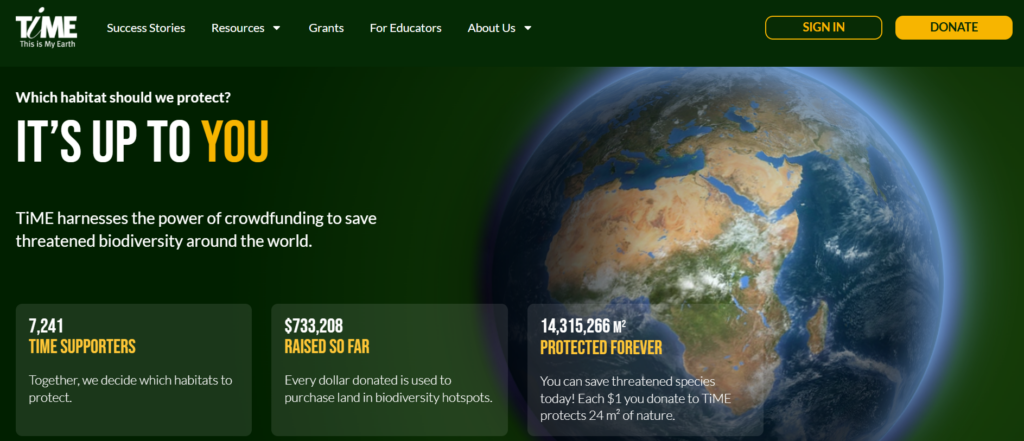
TiME – This is My Earth is a non-profit organization dedicated to preserving biodiversity by using crowdsourcing to purchase lands in biodiversity hotspots. It was established in 2015 by Prof. Uri Shanas of the University of Haifa Faculty of Natural Sciences at Oranim, who continues to act as TiME’s CEO. TiME’s core objective is to create a global community, one that works together across nations and continents, to face the world’s environmental challenges. Since its foundation, the organization has purchased 9 landscapes on 3 continents, protecting over 11 million m2 of biodiversity-rich habitat.

TiME – This is My Earth – 2023 Annual Report is about an especially challenging year, with multiple conflicts raging across the globe and climate change continuing to accelerate. Nevertheless, TiME sticked to its goals of biodiversity protection and education, providing a refuge for those seeking inspiration and positivity. This year, sufficient funds have been raised to acquire Tapichalaca, a thriving biodiversity hotspot in Ecuador. Tapichalaca serves as a critical link between established protected areas, providing needed habitat for endemic species with declining populations, such as the Jocotoco Antpitta, Mountain Tapir, Puma, and Spectacled Bear. In another important success in 2023, new partnerships were built with social media experts, improving TiME’s ability to reach new communities and increasing potential to add new members.
As keen supporter of the biodiversity impact, the Division of Innovation & Sustainability in the University of Haifa is proud to also take part in funding the organization’s ventures. It’s next projects include trying to raise money in order to buy land for an Indian tribe in Colombia (which has been assaulted and deported several times) and which makes a living from biodiversity credits. Also, a new educational cooperation was started between 4 schools in Israel and a school in Rwanda.