



New research from the University of Haifa challenges a long-standing assumption in trauma studies: that post-traumatic stress is driven primarily by fear.
In a collaborative international study led by Dr. Ziv Ben-Zion from the School of Public Health and Prof. Roee Admon from the School of Psychological Sciences, together with researchers from Israel, the United States, Germany, and Switzerland, scientists explored whether distinct emotional profiles underlie post-traumatic stress, and whether these profiles can be identified at early stages through brain activity.
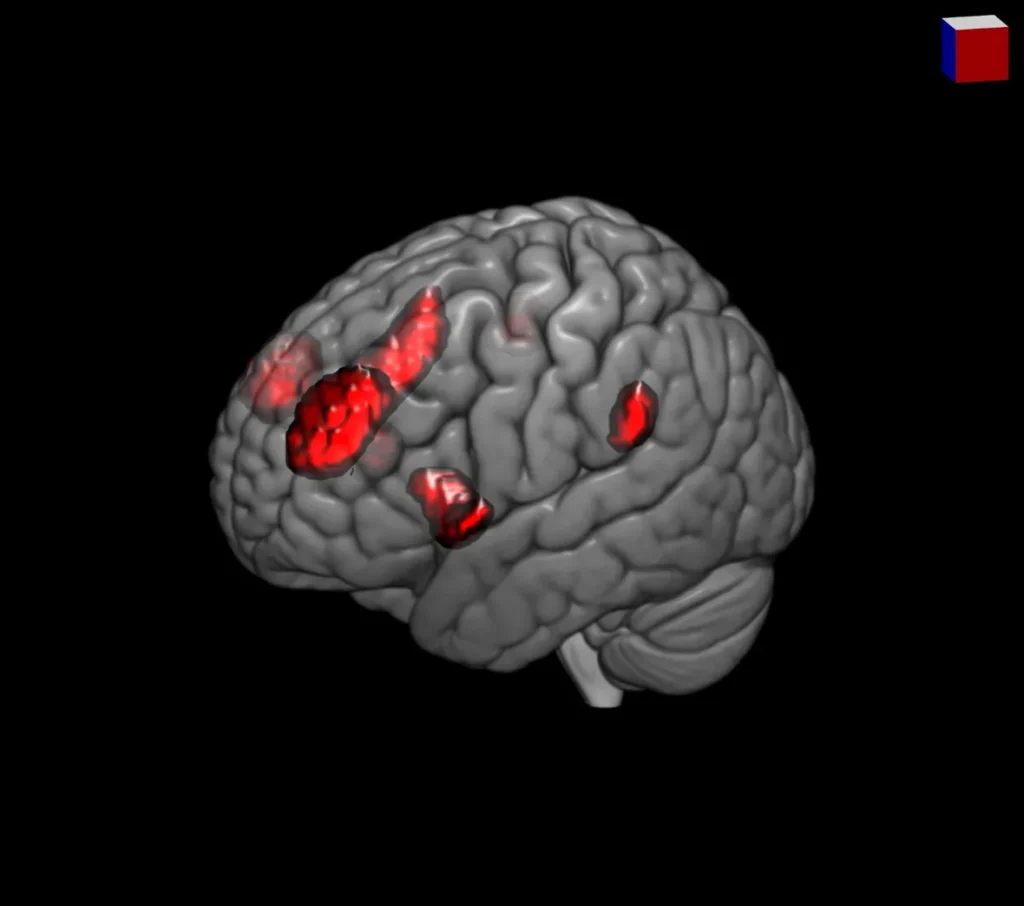
Published in the prestigious journal Biological Psychiatry, the study reveals that post-traumatic stress follows two separate emotional pathways. One pathway is characterized by fear and threat-related responses, while the other is rooted in deep emotional pain, including feelings such as guilt, sadness, and shame. Importantly, these profiles were associated with different neural patterns, suggesting that post-trauma is not a single uniform condition but a spectrum of emotional and brain-based responses.
By distinguishing between fear-based and emotional-pain-based trauma, this research opens the door to more precise diagnosis and personalized mental health interventions.
The findings position the University of Haifa at the forefront of advancing trauma research, with significant implications for early detection, treatment strategies, and mental health policy in societies affected by large-scale trauma.